COUNTRY’S WEATHER

VIETNAM WEATHER
Vietnam offers year-round travel opportunities, thanks to its diverse climates across regions. While one area may be wet, cold, or hot, another remains sunny and pleasant.
-
South Vietnam:
Wet season: May–November, with daily short downpours (wettest: June–August).
Dry season: December–April; late February–May is hot and humid.
Ho Chi Minh City: Average annual temperature: 27°C; highs in April: 30°C+; lows in January: 21°C; humidity: 80%; rainfall: 1979mm.
Central Vietnam:
Coastal lowlands are driest from January to October. Da Lat is cooler with highs in the low-to-mid 20s from November to March.
North-central coastal areas have cold, wet winters with fog and drizzle.
North Vietnam:
Winter (November–April): Cool and wet, with persistent drizzle in February–March.
Summer (May–October): Hot, with occasional typhoons.
Best Time to Travel:
High Season: November–March (dry and cool).
Rainy Season: May–October, with tropical showers and sunshine.
Shoulder Seasons: April/May and September/October offer pleasant weather and fewer crowds.

CAMBODIA WEATHER
Cambodia, located in Southeast Asia, has a tropical climate with distinct wet and dry seasons driven by monsoon cycles. It is warm to hot year-round and can be visited anytime.
-
Ideal Travel Periods:
November–February (Cool and Dry): Best weather with mid-day temperatures in the mid-20s, cool nights, and clear skies. Ideal for exploring temples and beaches.
March–May (Hot and Dry): Rising temperatures peaking in April (up to 40°C). Best for road travel, though heat can be intense.
June–October (Hot and Wet): Afternoon rains bring lush greenery, full moats, and vibrant landscapes, especially around Angkor. Cooler but humid.
September–Early November (Cooler and Wet): Rain tapers off in October, marking the transition to peak travel season.
Rainy Season Highlights (May–October):
Angkor temples at their most photogenic, with lush surroundings and vibrant stone colors.
Clear air for stunning photography and picturesque countryside scenes.
Fewer tourists, lower prices, and easier boat travel.
For cultural enthusiasts, aligning a visit with festivals like Bon Om Tuk or Khmer New Year adds a special touch to the experience.

THAILAND WEATHER
Ideal weather with temperatures between 18°C and 32°C in Bangkok. Cooler mornings in northern regions (8°C–12°C) and occasional frost in high altitudes. This is Thailand’s high season, with popular destinations crowded, prices higher.
-
Cool Season (November–February):
Dry, pleasant weather resembling a warm spring or cool summer day.
Minimal rainfall and cooler nights, especially in northern Thailand.
Popular with tourists; advance bookings recommended.
Hot Season (March–June):
Temperatures soar into the high 30s°C, with rare rain and occasional hailstorms in the North.
Air quality in Bangkok worsens, and coastal regions are more bearable but still hot.
Rainy Season (June–October):
Characterized by high humidity and periodic rainstorms, often at night or in the afternoon.
Northern Thailand's rainy season starts earlier and ends sooner than in the South, which experiences two rainy seasons.
Advantages include fewer tourists, greener landscapes, fresher air, and lower accommodation prices.
Rainy Season Perks:
Vibrant green rice fields and lush landscapes.
Opportunities for activities like white-water rafting.
Beaches like Koh Samui and Phuket remain enjoyable with less intense sun.
For a mix of good weather and fewer crowds, consider visiting early or late in the rainy season.
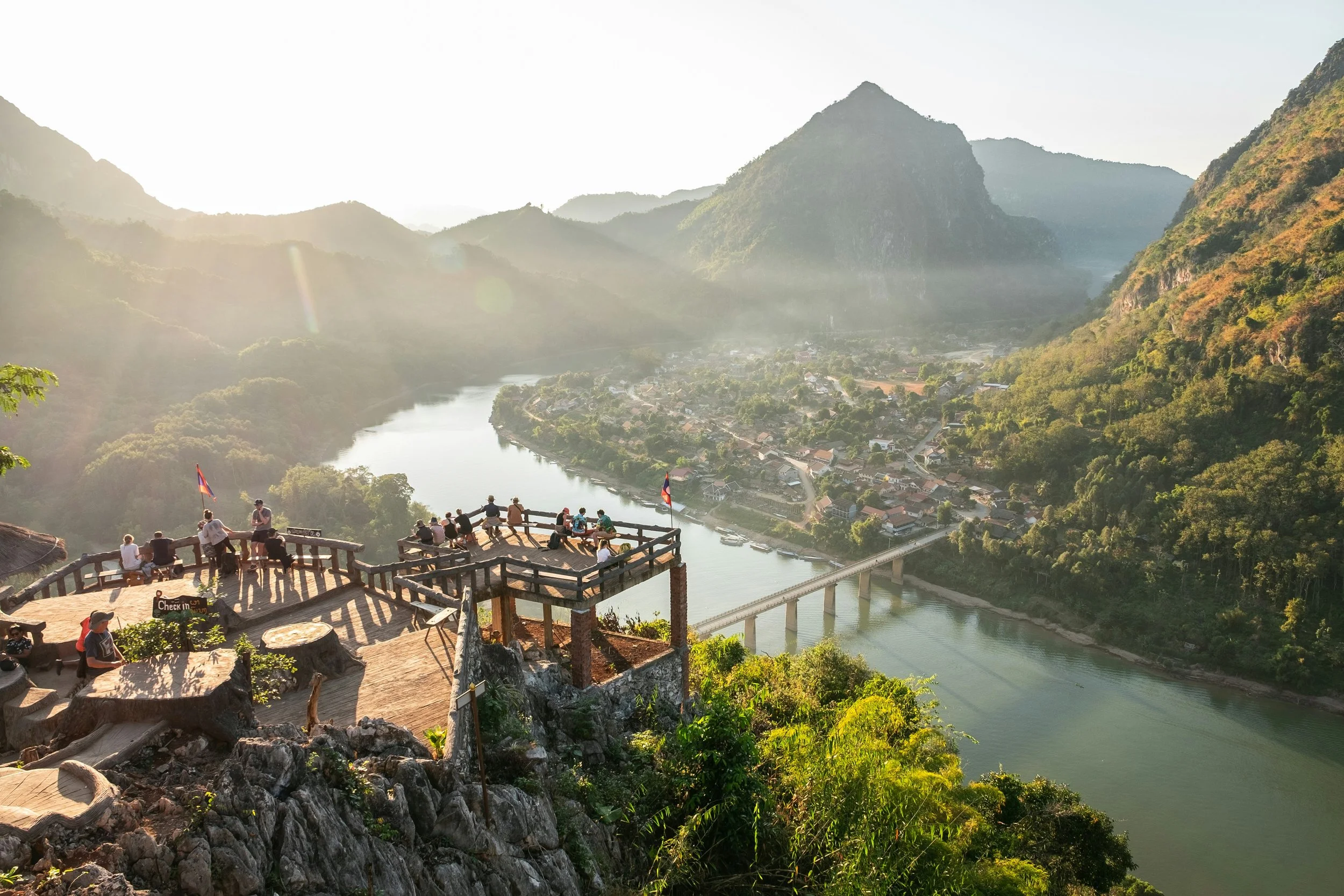
LAOS WEATHER
Laos offers varied travel conditions throughout the year, with cooler temperatures in the north, hotter and more humid weather in the south, and a clear contrast between the dry and rainy seasons.
-
Northern Laos:
Cool season: November-February, with fresher air and more comfortable temperatures for sightseeing and outdoor travel.
Hot season: March-May, when temperatures rise and days can feel dry and intense, especially before the rains arrive.
Rainy season: May-September, with greener landscapes and more regular rainfall, particularly later in the wet season.
Central Laos:
Warm to hot conditions last through much of the year, with the dry season generally bringing the easiest travel conditions.
Rainfall increases from late spring into summer, and roads in rural areas can become slower to navigate during wetter months.
Southern Laos:
Southern Laos is usually warmer and more humid than the north, especially in lowland areas.
The wet season is often more noticeable here, with heavier rains falling between May and September.
Best Time to Travel:
High season: November-February, when Laos is generally drier, cooler, and most comfortable for multi-stop journeys.
Rainy season travel: May-October, when the countryside is lush and green, though showers can affect transport and day plans.

INDIA WEATHER
India experiences a highly varied climate shaped by geography and the monsoon, so weather can differ greatly between the north, south, and Himalayan regions.
-
North India:
Cool season: November-February, with more pleasant daytime temperatures for cities, cultural sites, and overland travel.
Hot season: March-May, when inland destinations can become extremely warm, especially in April and May.
Monsoon season: June-September, bringing heavy rain and humidity to many northern areas.
South India:
Southern India stays warmer and more humid for much of the year than the north.
Rain patterns vary by coast, but tropical conditions are common and showers can affect travel in monsoon months.
Himalayan India:
Mountain regions follow a different pattern from the plains, with cooler temperatures and a more seasonal travel window.
Conditions depend strongly on altitude, so spring and autumn are often more comfortable than peak winter or the wettest monsoon weeks.
Best Time to Travel:
Best overall period: November-February, when much of the country is drier and easier to explore.
Hot season note: March-May can still work in some regions, but daytime heat is often intense in major inland areas.
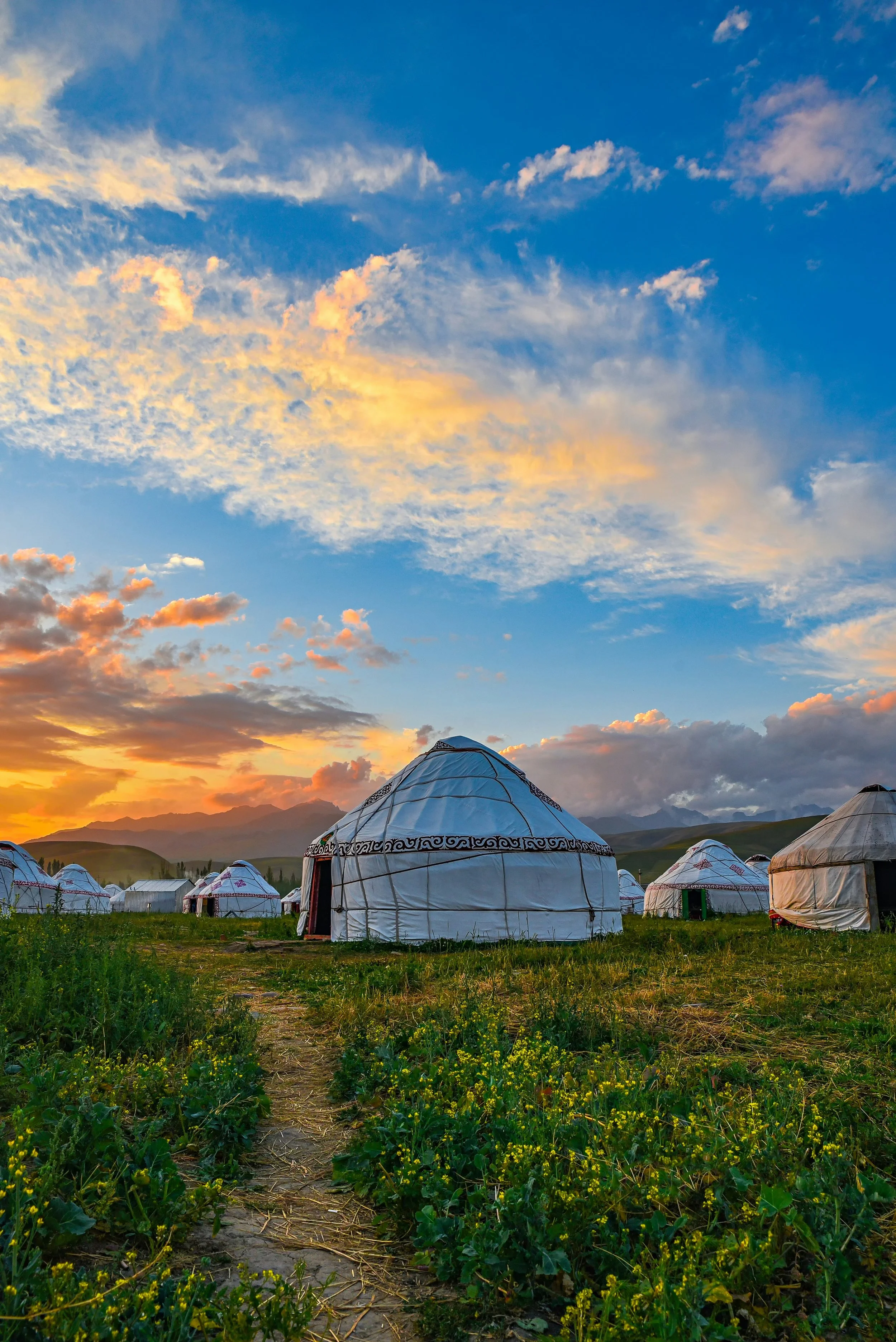
MONGOLIA WEATHER
Mongolia has a dry continental climate with a short summer, long winter, and large temperature differences between day and night.
-
Central Mongolia:
Summer: June-August, with the mildest temperatures and the best conditions for classic overland routes and steppe travel.
Spring and autumn: May and September can be beautiful, but weather shifts quickly and nights stay cold.
Northern and Mountain Areas:
Higher and northern areas remain cooler, even in summer, and conditions can change rapidly.
Travel here is usually most comfortable in mid-summer, when roads and outdoor access are more reliable.
Southern Gobi Region:
The Gobi is drier and often warmer by day, but temperatures can drop sharply after sunset.
Spring and autumn are often preferred for desert landscapes, while summer can bring stronger heat and dust.
Best Time to Travel:
High season: June-August, when Mongolia is at its most accessible for touring, camping, and wide-open landscapes.
Winter: November-February is extremely cold and better suited to more specialized trips.
Interested in a bike tour that lets your group immerse in local culture?